
Pottery Use & Care
When cooking, it is advisable to pre-heat your pottery with warm to hot water before preparing food in it. This acclimates your pottery and begins the important heating process.
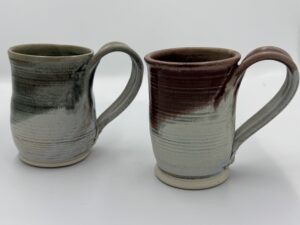
• Please be sure that the entire inside is covered with food. Do not use your casseroles or dishes to heat up one piece of meat such as a roast or fish. If you do, the heat will be concentrated to that one particular area and will cause the piece to snap or crack. Food items cooked in your casseroles should cover the entire surface of the dish (such as a quiche or pie, or cream of chicken casserole). For food items like chicken pieces or leftovers, reheat independently in the oven, then transfer to your pottery serving dishes before serving.
When hot, allow your pottery serving piece to cool completely before immersing it in hot water. Never pour cold water or cool liquids into it. It will crack.
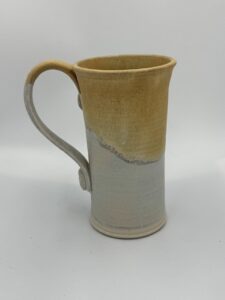
• Your pottery cannot be used under a broiler or directly over a heat source, such as a range-top burner.
• Always place your pottery serving dish with the food in it in a cold oven then turn the oven on. This will allow your pottery to heat up with the oven and prevent cracking from heat shock (so add a few minutes to the cooking time)
Preventing Heat Shock
Step 1:
Turn on your oven to 250°F with your food and pottery in the oven.
Step 2:
Keep your oven at 250°F for 10 minutes.
Step 3:
Adjust your oven to the desired temperature then let your pottery heat up.
Your pottery is freezer safe though we do not recommend tying up your pieces in the freezer. However, if you do freeze food in them, please do not transfer any of your pottery pieces directly from the freezer the oven. Or vise versa. Allow food frozen in the pottery serving dishes to thaw complete to ly in the refrigerator before placing them in the oven to bake. This will take longer than you may expect due to the insulating properties of pottery.
· If your food is browning too quickly in the oven, lightly cover the surface of the food with aluminum foil for part of the baking time.
We have found that a short time in the microwave of a minute or less to warm up your mug of coffee is acceptable. We do not recommend extended periods in the microwave.
· Always use a heavy, heat-resistant potholder or oven pad when handling hot pottery. Pottery can become extremely hot in the oven.
Cleaning your pottery
Believe it or not, cleaning your pottery is the easiest part of its care. Because of the glazed surface, the clay is impervious to the food. The pottery can be hand washed and is dishwasher safe. There are a few simple steps for cleaning.
· Allow the pottery to completely cool.
· Scrape off any excess food using a nylon pan scraper or use nylon, wood, or plastic spatula. Do not use metal spatulas as they can scratch the surface.
· If necessary, soak your pottery in soapy hot water to loosen baked-on foods.
· Then wash your pottery in the sink, rinse and dry thoroughly, or place it into your dishwasher.
Your pottery is durable. It has stone-like qualities. A little tender loving care will prevent it from cracking or breaking. Avoid dropping your pottery or knocking it against a hard surface, and please don't place heavy objects such as crockery or cookware on top of your pottery.
With care and consideration, you will get many years of enjoyment from your pottery.
Enjoy!